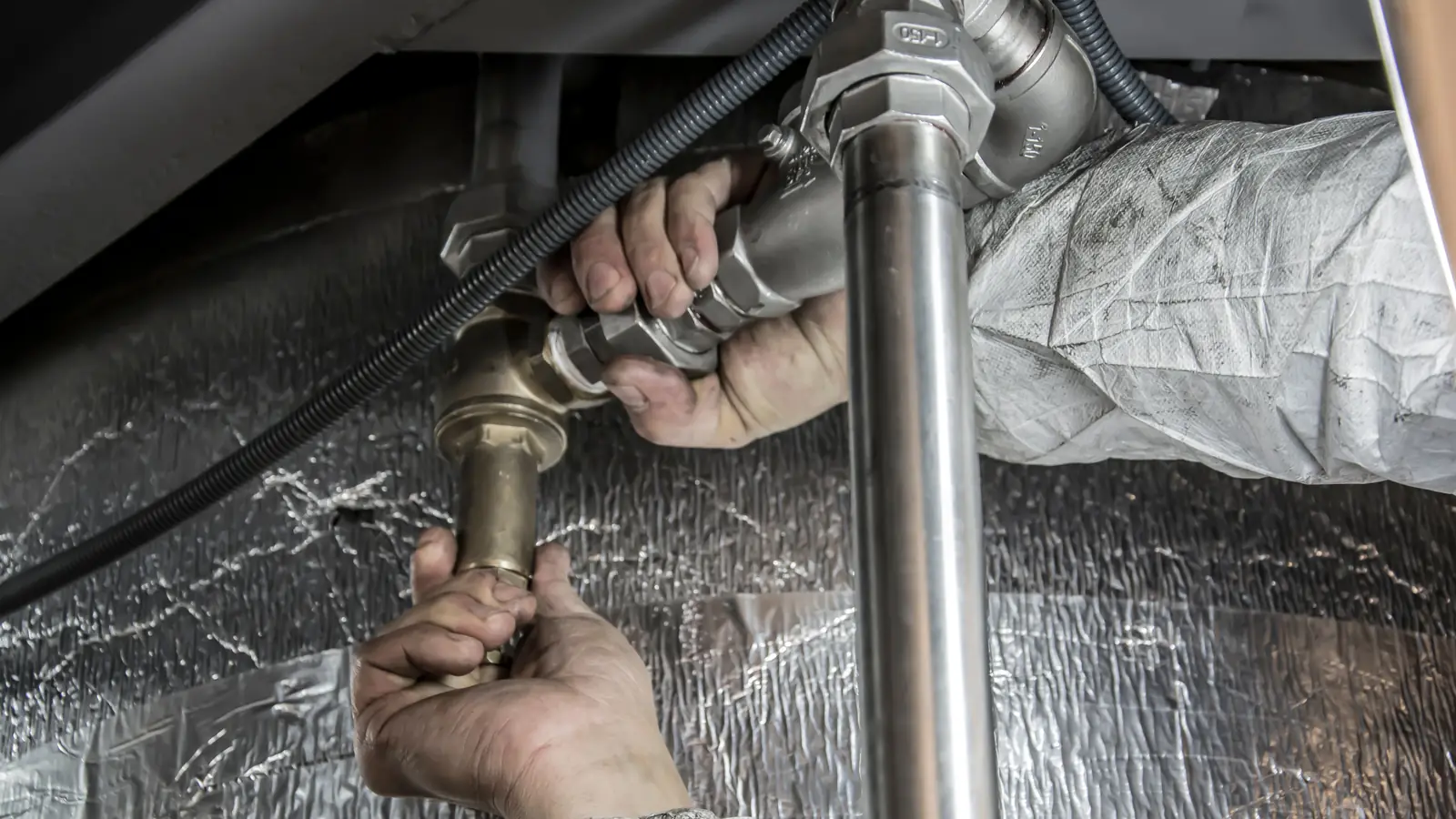
A plumber for the everyday problems in your Perris home
If you need a plumber in Perris for a leak, a running toilet, a slow drain or a water heater that quit, call (951) 540-1325 or request a callback and a licensed plumber will follow up. They find the cause and quote the repair before any work starts.
Referral service for a licensed contractor, CSLB #949936. You hear the price before any work starts.
- Leaks at sinks, toilets, valves and supply lines
- Faucets, fixtures, shutoff valves and water pressure
- Water heaters and slow drains too
Before you call
- If water is running, close the small valve under the fixture, or the main shutoff.
- Note where the water is and roughly how long it has been happening.
- Take a photo or two. It helps the plumber bring the right parts.
- Call (951) 540-1325 or send a request.
What Perris homeowners call a plumber about
If you see your problem here, mention the room and the symptom when you call.
Kitchen
- Drip or puddle in the cabinet under the sink
- Faucet that drips or swivels loose
- Sprayer or pull-down hose leaking
- Dishwasher hookup leaking
Bathrooms
- Toilet that runs, rocks or leaks at the base
- Shower valve that drips or won't get hot
- Weak shower or sink pressure
- Slow sink or tub drain
Laundry
- Washer hoses or valves leaking
- Standpipe overflowing during the drain cycle
- Water heater issues if it sits here
Garage
- Water heater with no hot water or a leak
- Relief valve dripping
- Softener or filter connections leaking
Outside
- Hose bib that won't shut off fully
- Wet spot near the water line or regulator
- Main shutoff that's seized or leaking
Whole house
- Low pressure at every tap
- Banging pipes when a valve closes
- Water bill climbing with no change in use
From your call to a fixed problem
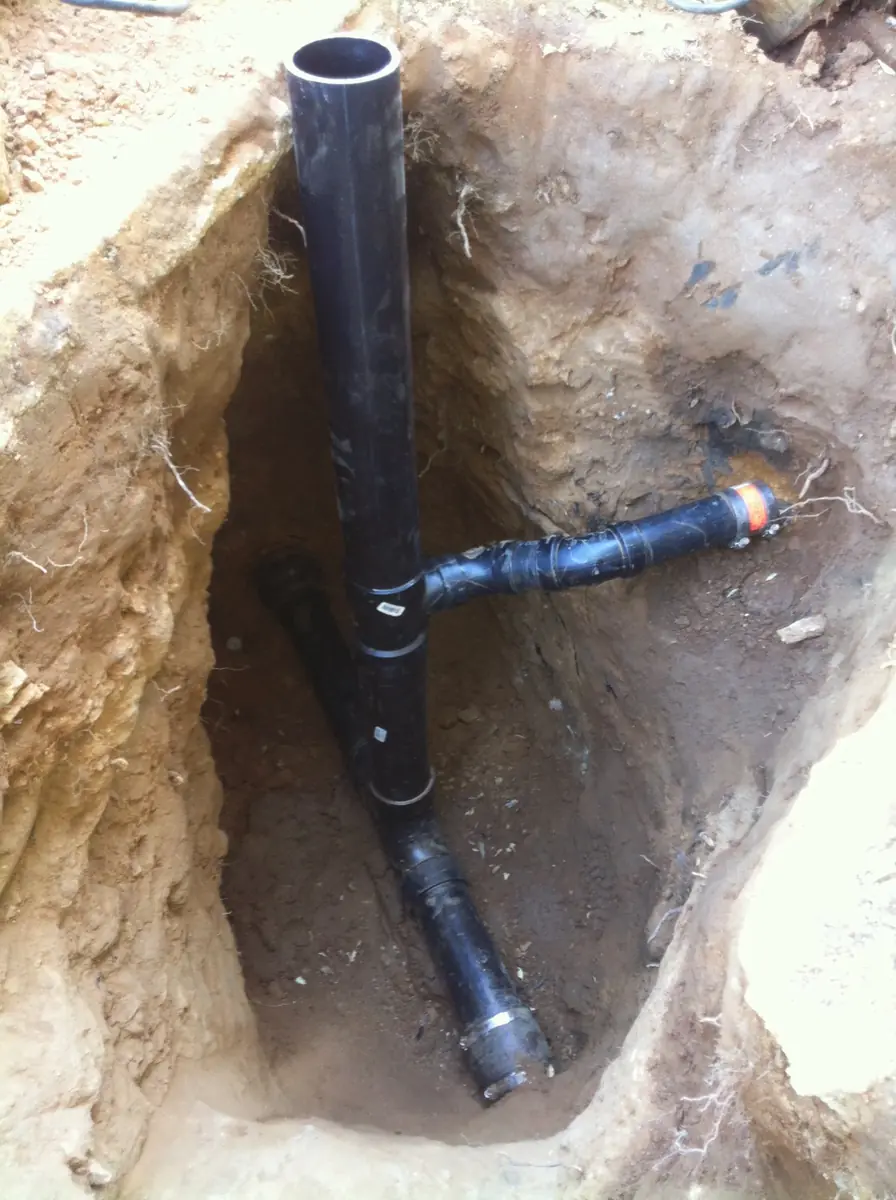
Call or send a request
Say what's leaking, dripping or not working. An automated intake assistant takes the details if nobody can pick up.
The plumber calls back
They ask a few questions, check they can help and agree a time with you.
Diagnosis at the house
The plumber looks at the problem itself and explains what failed.
Price, then the work
You hear the quote first. Nothing is repaired until you agree to it.
What you can safely do, and when to stop
Fine to try yourself
- Close the shutoff valve under a sink or toilet
- Plunge a clogged toilet with a flange plunger
- Clean a faucet aerator that has gone weak
- Jiggle or reseat a toilet flapper chain
Better left to the plumber
- Anything involving the gas line or a water heater burner
- A valve that won't turn without force
- Water inside a wall or ceiling
- The same drain clogging again after you cleared it
Customers on the plumber
“Great service, quick and straight to the point. Beto was able to directly identify what was wrong and fix it right away within the hour.”
“Quick Response & Great Service - prompt dispatch and thorough diagnostics.”
Reviews describe Rain or Shine Heating, Plumbing & Air Conditioning, the contractor this service refers calls to.
Common questions
- What plumbing problems can I call about?
- Can I get a price over the phone?
- Is anyone available after hours?
- Who actually does the work?
Calls are taken from homes across Perris. Service area.
Symptoms and what they usually point to
A plumbing problem rarely names its own cause. It shows up as a sound, a stain or a number on the bill, and the useful part is knowing what each one tends to mean. Here are the signs Perris homeowners notice most, and where a plumber would look first.
A trickle or hiss you only hear at night
When the house goes quiet and you still hear water moving, the usual source is a toilet refilling on its own or a fill valve that never quite shuts off. Lift each tank lid and listen. If every toilet is silent, the sound may be a supply line behind a wall or a hose bib outside, and that's worth a call before it turns into a stain.
Rusty or cloudy water from the hot side only
Discolored water that only comes out of the hot tap points to the water heater. Sediment on the bottom of the tank and a worn-out anode rod are the common reasons. If hot and cold both look wrong at every tap, the cause is more likely in the supply, and EMWD is the first call.
Gurgling after a flush or a washer drain
A gurgle is air being pushed through a drain that should be full of moving water. One gurgling sink is often a partial clog in its own short line. Gurgling in the tub when the toilet flushes, or in a sink when the washer pumps out, suggests the blockage sits further down, where the branch lines join.
A stain on a ceiling or a damp baseboard
In a two-story house, a ceiling stain under a bathroom usually traces back to a toilet seal, a shower pan or a drain fitting directly above it. A damp baseboard beside a sink cabinet often starts at the supply valve or the trap inside the cabinet. Take a photo before you wipe anything, because the shape and spread of the stain help the plumber.
A drip from the pipe beside the water heater
The pipe running down from the side of the tank comes from the temperature and pressure relief valve. A drip there can mean the valve itself is worn, but it can also mean pressure in the house is too high or the tank is overheating. Don't cap or plug that pipe. Put a bucket under it and mention it on the call, since the plumber will want to check house pressure with a gauge.
Pipes that knock when a valve shuts
A bang in the wall when the washer stops filling or a faucet snaps closed is a pressure surge in the line. It's usually worse when house pressure runs high or a pipe strap has come loose. It isn't an emergency, but it wears on fittings and appliance valves over time, so it's worth raising during a visit.
A bill that jumped while your habits didn't
When the bill climbs and nothing in the house has changed, something is running. EMWD's leak checking guide suggests comparing meter readings before and after a two-hour stretch with no water in use. If the reading moved, there's a leak somewhere on the property, and the plumber can help narrow down which part of the system it's in.
Checks worth doing before you pick up the phone
A few minutes of looking can save a lot of back and forth on the call, and none of these need tools or put you at risk.
- Work out whether it's one fixture or several. One slow sink is local. Every drain slowing at once points to the main line.
- Run hot and cold separately. A problem on the hot side only usually sends the plumber to the water heater first.
- Photograph the water heater label. It tells the plumber the fuel type, the size and roughly how old the tank is.
- Find the sewer cleanout, the capped pipe near the foundation or in the yard. If a drain call turns into a main line call, that's where the plumber starts.
- Think about what changed recently. A new appliance, a softener install, yard work or a valve someone closed for a repair often explains a new problem.
- If you rent, message your landlord or property manager before the visit so approval doesn't hold up the repair.
If water is actively spreading, skip the list. Close the valve under the fixture or the main shutoff and call (951) 540-1325 straight away.
What the visit looks like at your house
Once the plumber calls back and you settle on a time, the visit itself follows a fairly steady pattern. Knowing it ahead lets you plan your day around it.
Clear a path to the problem. Empty the cabinet under a leaking sink, move stored boxes away from a garage water heater and make sure the side gate to the cleanout opens. If the heater shares a closet with the laundry, pull the baskets out of the way.
Put pets in another room. A plumber walking in and out to the truck is the easiest way for a dog to slip out. Mention gate codes, a locked side yard or guest parking rules in your community when you book.
Expect questions before tools. The plumber will want to hear how long it's been happening, whether it comes and goes and what you've already tried. Then they look, test and explain what failed. For a drain, that might mean pulling a trap or running a cable from the cleanout. For a pressure complaint, it usually starts with a gauge on a hose bib.
You get options. Where more than one fix makes sense, such as replacing a part or replacing the whole fixture, the plumber lays both out. If a part has to be ordered, ask what's safe to use in the meantime and how to shut things off if it gets worse.
Some jobs need a permit. Replacing a water heater or moving supply pipes are common examples. Ask whether the permit is part of the quote and who books the inspection.
How pricing works
This site doesn't set prices and won't quote figures, because a fair price depends on what the plumber finds at your house. What you can count on is the order of things: diagnosis first, then a price, then your decision.
The quote should name the problem, the fix and what's included. For bigger jobs, ask about permit fees, haul-away of old equipment and any return visit. If two fixes would both work, ask for each to be priced so you can compare them side by side.
A few things move a price in either direction: how easy the problem is to reach, whether the parts are on the truck or have to be ordered, and whether the job grows once a wall or cabinet is opened. If anything changes partway through, ask the plumber to stop and walk you through it before carrying on.
Payment, warranty and receipts are handled directly with the contractor. Keep the invoice with your house records, since it helps the next time something in the same spot fails.
Perris water and housing, and why they matter
Perris gets its water from Eastern Municipal Water District, which is headquartered on Trumble Road in the city. The district's 2023 water quality report places most of Perris in the service area of its Mills filtration plant, which treats State Water Project water. That water averaged 4.7 grains per gallon of hardness, which is moderately hard on the district's own scale. It's enough to leave white crust on aerators and sediment in a water heater over the years.
One part of town is different. The same report says two Perris Valley wells serve a limited area along Perris Boulevard, north and south of the Ramona Expressway, and that well water averaged 20 grains per gallon. EMWD calls anything above 17.5 very hard. If you live in that stretch and your fixtures crust over fast or the heater rumbles early, the source water is a likely reason. The hard water guide explains what helps.
The older downtown and north Perris areas changed providers recently. The City of Perris water and sewer page says homes south of Nuevo Road, north of Mountain Avenue, west of Ruby Drive and east of Park Avenue were on the city's system, and that all services moved to EMWD on October 15, 2024. If you're in that area and the problem looks like it's at the meter or in the street, the district is now the one to call. Anything on your side of the meter is for the plumber.
Housing age matters as much as water. The blocks around the old downtown hold older homes, where galvanized supply pipe and clay or cast iron sewer line are more likely to turn up. Newer tracts usually have plastic drain pipe, but builder-grade valves, faucet cartridges and water heaters still wear out on their own schedule. Telling the plumber roughly when your home was built helps them guess what's behind the wall before anything is opened.
Grease is the drain issue the district is most direct about. EMWD's sewer spill guidance tells customers never to put grease down garbage disposals, drains or toilets, and to mix it with paper, coffee grounds or kitty litter and put it in the trash. A lot of kitchen clogs in town start exactly there.
Keeping the same problem from coming back
Most repeat calls have a reason behind them, and the visit is the best time to find it. Before the plumber leaves, ask what caused the failure, not just what was replaced. A clog caused by grease needs a change at the sink. A clog caused by a sag in the line needs a repair, or it will keep returning however often it's cleared.
Ask which other parts in the house are the same age as the one that failed. If one shutoff valve seized, the others were probably installed at the same time. If the water heater's relief valve was dripping because pressure was high, the regulator may need attention too. Replacing the worn parts together is often less disruptive than waiting for each one to fail on its own.
Write down what was done, the date and where any new valves or cleanouts are. Keep the photo of the water heater label with that note. Next time something goes wrong, you'll have the answers to the plumber's first few questions ready.
When it's urgent, and when it can wait
Call now
- Water spraying or spreading that a fixture valve won't stop
- Sewage coming up in a tub, shower or floor drain
- Water near outlets, the electrical panel or appliances
- A water heater leaking from the tank itself, not a fitting
- No water at any tap, once you've checked with EMWD that there's no outage on your street
If you smell gas, the plumber isn't the first call. Leave the house and call SoCalGas from a safe spot, as SoCalGas advises, and call 911 if anyone could be in danger.
Fine to book for a normal visit
- A faucet that drips or a toilet that runs now and then
- One slow drain that still empties
- A shower that won't get as hot as it used to
- A hose bib that drips when it's closed
- A stiff shutoff valve that still closes
The middle ground is a leak you've stopped by closing a valve. It isn't spreading any more, but you've lost that fixture, so tell whoever takes the call that the water is off. The plumber can then work out how to fit the visit in.
How the referral works
Perris Plumbers is a referral service, not a plumbing company. Every call and request from this site goes to one contractor, Rain or Shine Heating, Plumbing & Air Conditioning, which the Contractors State License Board lists under license #949936. Its Google profile showed a 4.9 rating from 136 reviews as of November 25, 2026.
Calls are answered at any hour. A person picks up when one is free, and otherwise an AI intake assistant takes your name, address and what's wrong so the plumber has it when they call back. Nobody on this site can promise when the plumber will arrive. The contractor sets that time with you directly.
The contractor handles plumbing repair, drains, sewer lines, water heaters, leak detection and emergency calls. It doesn't do water damage restoration, mold or remodeling, so if a leak has already soaked drywall or flooring, you may need a separate company for that part. The referral disclosure sets out the arrangement in full.
More plumbing problems Perris plumbers handle
Drain cleaning
Slow sinks, backed-up tubs and toilets, and main lines that gurgle or overflow, cleared and explained.
Read more →Water heater repair
Gas and electric tanks with no hot water, leaks, noise or pilot problems, repaired or replaced.
Read more →Sewer line repair
Backups, roots, cracked or sagging main lines, found with a camera and repaired.
Read more →Garbage disposal
Disposals that jam, hum, leak or smell, repaired or replaced.
Read more →Communities next to Perris
Nuevo
Rural and equestrian lots east of Lake Perris: yard lines, septic drains, hard water and water heaters.
See the area →Homeland
Houses and mobile homes along Highway 74, from hidden under-floor leaks to septic drains.
See the area →Winchester
Older ranch homes and newer tracts near Diamond Valley Lake: aging heaters, long lines and main drains.
See the area →Questions Perris homeowners ask
How do I check that a plumber in Perris is licensed?
Look the contractor up on the Contractors State License Board website, which shows the license status and classifications. Calls from this site go to Rain or Shine Heating, Plumbing and Air Conditioning, license 949936, so you can check it yourself before the visit. A plumbing contractor in California should hold the plumbing classification.
What should I do first when a pipe bursts in my house?
Close the main shutoff straight away, then open a faucet at the lowest point in the house to let pressure out of the lines. Move anything valuable away from the water and take photos. Once the water is off, call the plumber.
Is it worth repairing an old faucet instead of replacing it?
Repair is usually worth it when parts are still made for the faucet and the body is sound. A drip from a worn cartridge or washer is a simple fix, while a corroded body or a discontinued model often makes a new faucet the better choice. The plumber can tell you once they see the brand and model.
How can I tell if a plumbing problem is an emergency?
It's an emergency when water or sewage is spreading and a valve won't stop it, or when water is near outlets or appliances. A drip, a toilet that runs now and then or one slow drain can usually wait for a booked visit. If you smell gas, leave the house and call SoCalGas from outside before anything else.
Who do I call about a problem at my water meter in Perris?
Call Eastern Municipal Water District for anything at the meter or in the street, since the district looks after that side of the system. The shutoff, the pressure regulator and the pipes on the house side of the meter belong to the property owner and the plumber. If you're not sure which side the problem is on, the plumber can help you tell.
Can a plumber fix several small problems in one visit?
Most of the time they can, and it's usually the easiest way to handle a list of small repairs. Write down every drip, weak fixture and stiff valve and mention them all when you book. That lets the plumber plan the time and bring the right parts.
What information should I have ready when I call a plumber?
Have your address and cross streets, a short description of the problem and when it started, and whether you've shut any water off. A photo of the problem or of the water heater label helps a lot. If you rent, have your landlord's contact details handy.
Are plumbing calls answered on weekends in Perris?
Calls are answered at any hour, weekends included, by a person when one is free or by an AI intake assistant that takes your details. The plumber then calls back to set a time with you. No arrival time is promised in advance.